Integrations
Connect Cloud Fleet Manager with ERP, accounting, reporting and operational systems.
Keelstone builds AI-powered custom integrations, automations and modules around maritime software systems like Cloud Fleet Manager, ERP and accounting platforms — so your software stack works the way your business actually works.
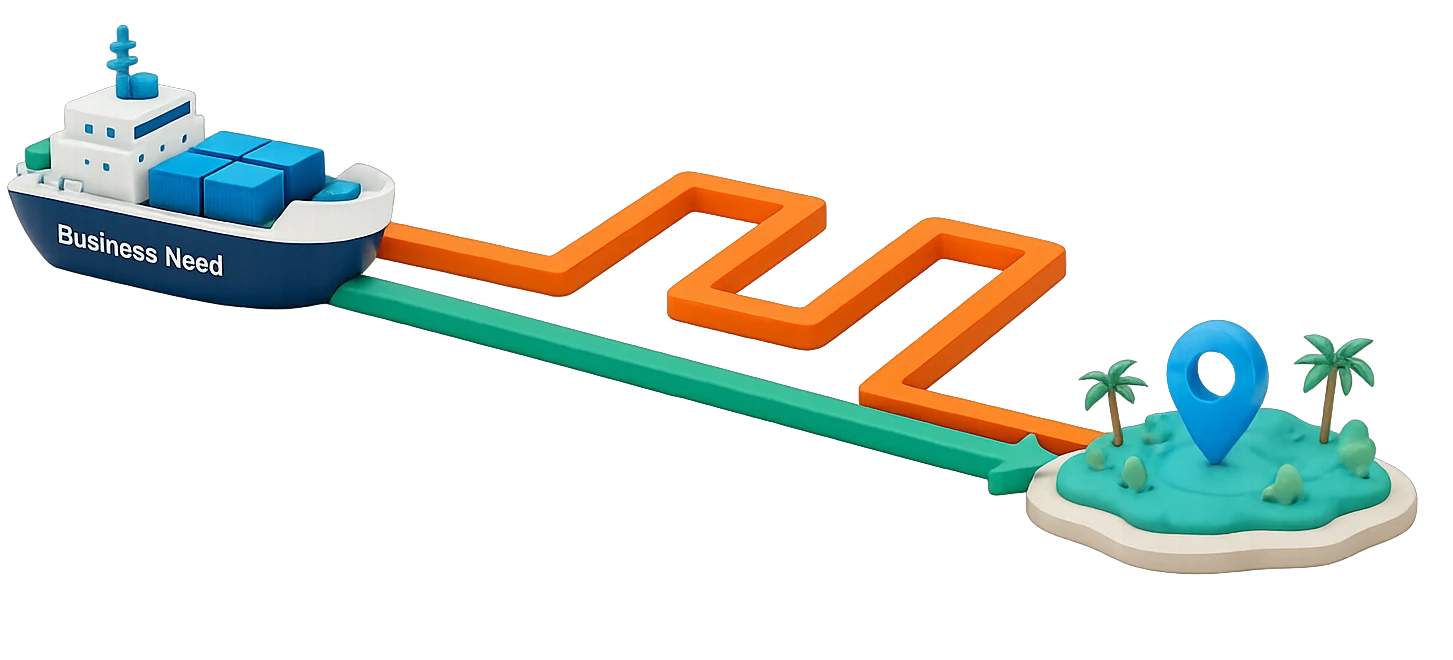
Maritime software platforms provide the operational core for fleet management, technical management, procurement, crewing, accounting and reporting.
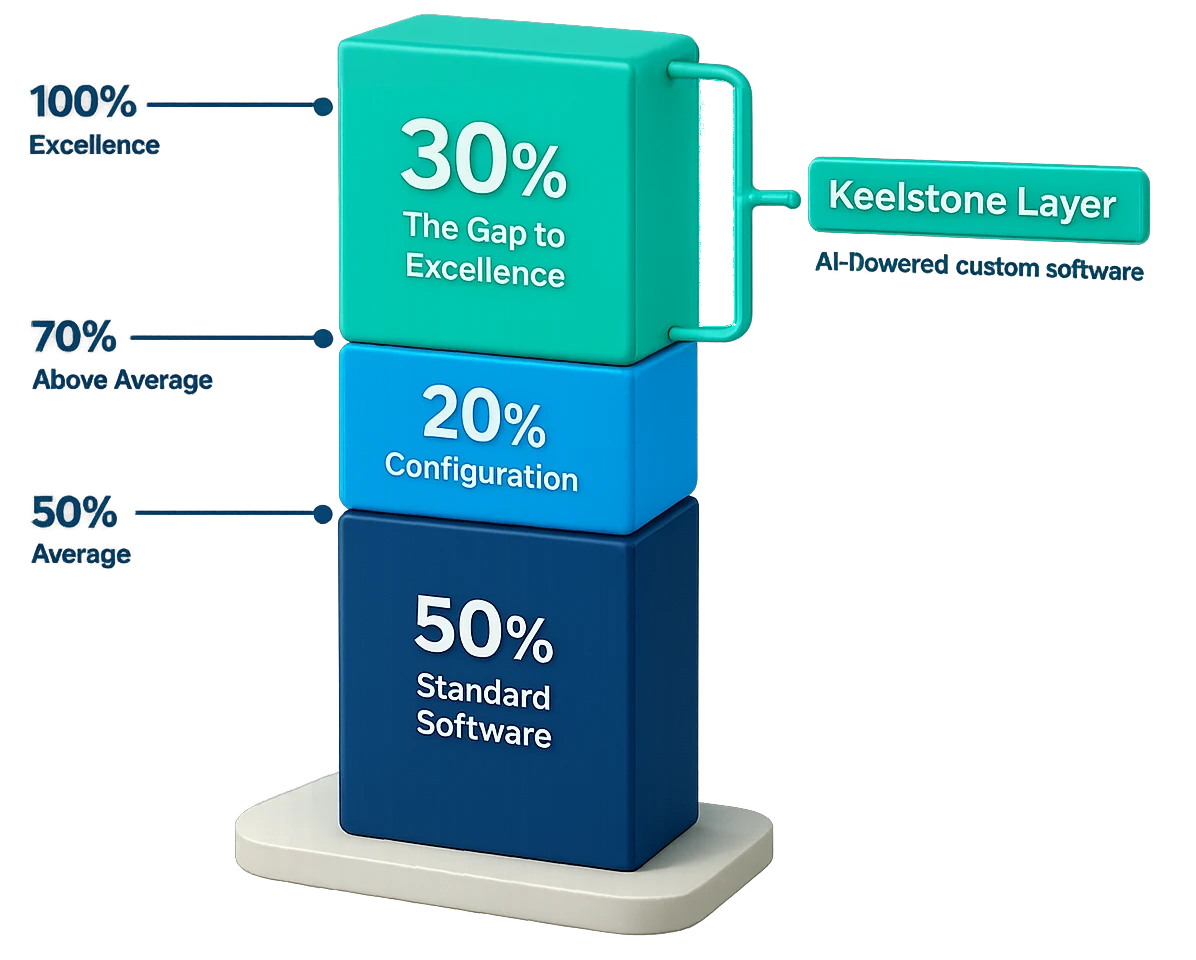
But no standard system fits every company perfectly. Some processes are covered out of the box. Some can be configured. The rest often becomes manual work, spreadsheets, exports, duplicated data entry or process compromises.
That gap is where Keelstone operates.
Keelstone connects maritime software with accounting systems, ERP platforms, APIs, databases and operational tools.
We also build new modules on top of existing systems, using their APIs to extend functionality without replacing the operational core.
The result: fewer manual steps, fewer disconnected tools and software that fits the way your company actually operates.
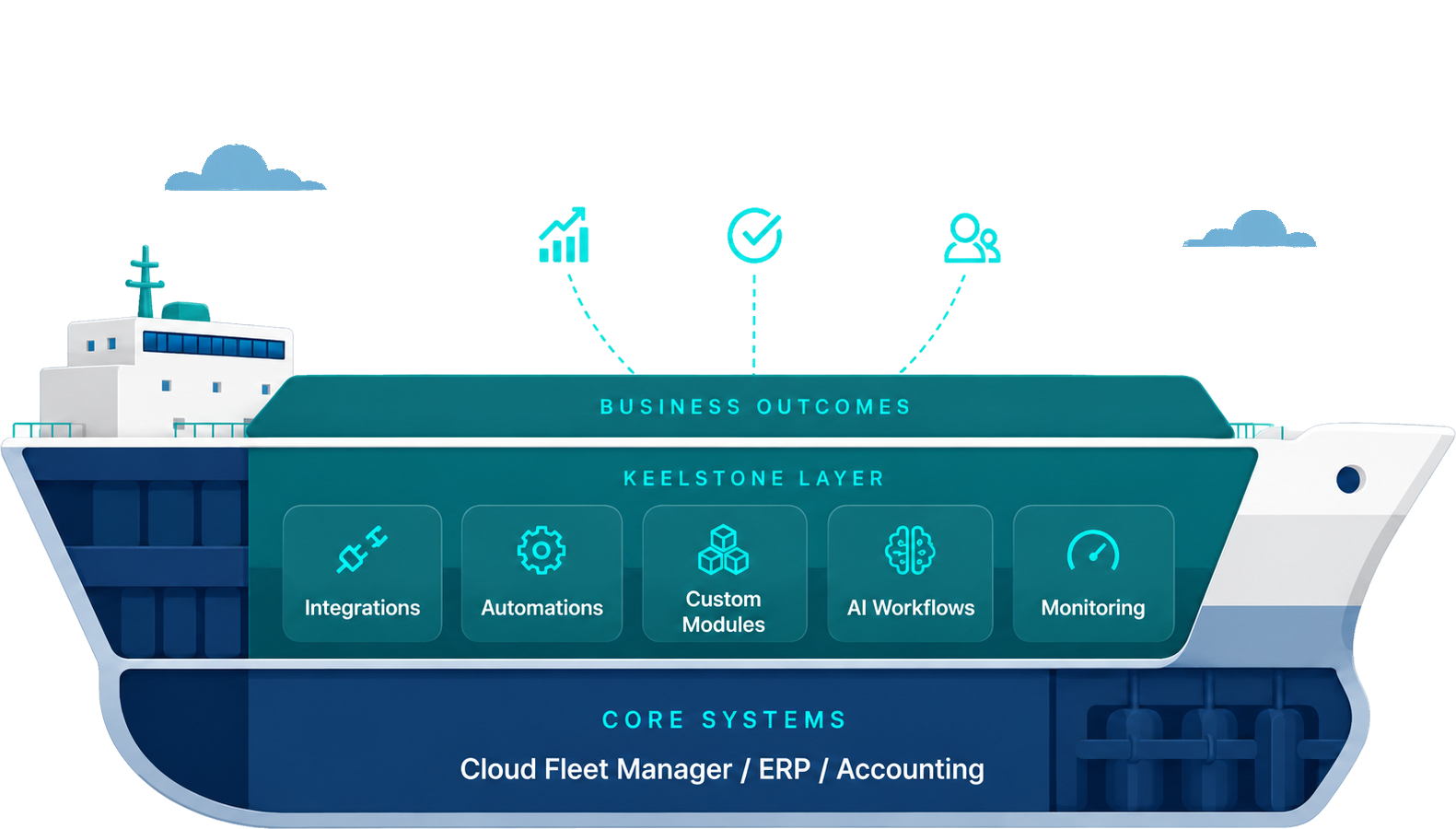
We create practical software around your existing maritime systems — focused on real workflows, real data and real operational impact.
Connect Cloud Fleet Manager with ERP, accounting, reporting and operational systems.
Automate repetitive workflows, data transfers, checks, notifications and process handovers.
Build bespoke tools and extensions on top of existing maritime software APIs.
Use AI to read, interpret, process and monitor operational data — with humans in control.
Give teams a clear overview of automated processes, exceptions and required actions.
Enterprise systems will not disappear. Platforms like Cloud Fleet Manager, ERP and accounting software remain the source of truth for processes, data and documentation. What changes is the layer around them.
People move from data entry to process supervision. Keelstone builds this new interaction layer for maritime companies.
AI-assisted development changes the economics. Custom extensions, integrations and workflow tools can now be built faster, leaner and closer to the real business process.
Our view on AI and enterprise software
AI will not replace enterprise software. It will change how companies interact with it. The systems that store processes, data and documentation remain essential. But the way people use them will shift from manual entry and reporting to automation, monitoring and exception handling.
Read the articleInteraction layer
AI + APIs + workflows
If your maritime software stack works — but not exactly the way your business needs it to — Keelstone can help. We connect, extend and automate your existing systems with AI-powered custom software.
Dubai Silicon Oasis, Dubai
United Arab Emirates
Ready to start?Bring the systems that already work. We build the integration, automation and monitoring layer around them.